

Cultural Encounters on the Annapurna Base Camp Trek: Meet the Gurung and Magar Communities
The Annapurna Base Camp Trek is one of the most iconic treks in Nepal, offering stunning landscapes, towering peaks, and serene forests. But beyond the natural beauty, it also provides trekkers with a unique opportunity to immerse themselves in the local culture. Along the route, you’ll encounter the warm and welcoming Gurung and Magar communities, two ethnic groups with rich histories and traditions.
In this guide, we’ll explore the cultural experiences waiting for you on the Annapurna Base Camp Trek. We’ll also provide tips from the Tidy Himalaya trekking agency and share valuable information on the best time to visit Annapurna Base Camp, how to prepare for Annapurna Base Camp, and a beginner’s guide to the Annapurna Base Camp trek.
Meet the Gurung and Magar Communities
The Gurung Community
The Gurung people are an integral part of the Annapurna region. They are known for their hospitality, deep connection to the land, and rich cultural traditions. As you trek through villages like Ghandruk and Chomrong, you’ll be welcomed with traditional greetings and perhaps a warm cup of rakshi, a local homemade alcohol.
Gurung homes are often made of stone, with slate roofs and neatly kept gardens. If you’re lucky, you might witness traditional Gurung dances, especially during festivals like Tihar and Dashain. The Gurungs are also known for their involvement in the Gurkha regiment, and many households have family members who serve or have served in the British or Indian armies. This history of bravery and loyalty is a point of pride for the community.
The Magar Community
Like the Gurungs, the Magar people are indigenous to the Annapurna region, residing in villages such as Ulleri and Ghode Pani. The Magar community is known for its close-knit, agricultural way of life. You’ll find beautifully terraced hillsides where crops like rice, millet, and maize are grown.
The Magars have their own distinct language, customs, and festivals. Traditional Magar music and dances are an important part of their cultural identity. During your trek, you may have the opportunity to witness performances of the Maruni dance, a vibrant and colorful dance performed during festivals. The Magar cuisine is also a highlight, offering dishes like dhido, a traditional food made from millet or buckwheat flour.
Cultural Experiences Along the Annapurna Base Camp Trek
One of the joys of trekking through the Annapurna region is the chance to interact with locals on a daily basis. Every village you pass through offers a unique cultural encounter. Whether it’s participating in a local festival, sharing a meal with a family, or learning about the ancient customs of the region, these moments will stay with you long after you leave the mountains.
- Festivals and Traditions: Timing your trek to coincide with local festivals like Tihar or Maghe Sankranti can enrich your experience. The Annapurna Base Camp Trek during these times allows you to witness traditional dances, music, and religious ceremonies.
- Homestays: Many trekking agencies, like Tidy Himalaya, offer homestay options, where trekkers can spend a night with a local family. This not only supports the local economy but also provides an authentic experience of Nepali village life.
- Learning Traditional Crafts: In villages like Ghandruk, you can see women weaving traditional Gurung dresses and making handicrafts. These crafts are often sold to trekkers as souvenirs and serve as a way for the community to sustain their cultural heritage.
Best Time to Visit Annapurna Base Camp
The best time to visit Annapurna Base Camp is during the spring (March to May) and autumn (September to November) seasons. These months offer the most favorable weather conditions, with clear skies and pleasant temperatures. The spring season is particularly beautiful, as the rhododendron forests bloom in vibrant colors, while autumn offers stunning, unobstructed views of the snow-capped mountains.
Winter (December to February) and monsoon (June to August) are less ideal due to harsh weather and potential landslides, but for those seeking solitude and adventure, these off-season months can still offer a memorable experience.
Beginner’s Guide to the Annapurna Base Camp Trek
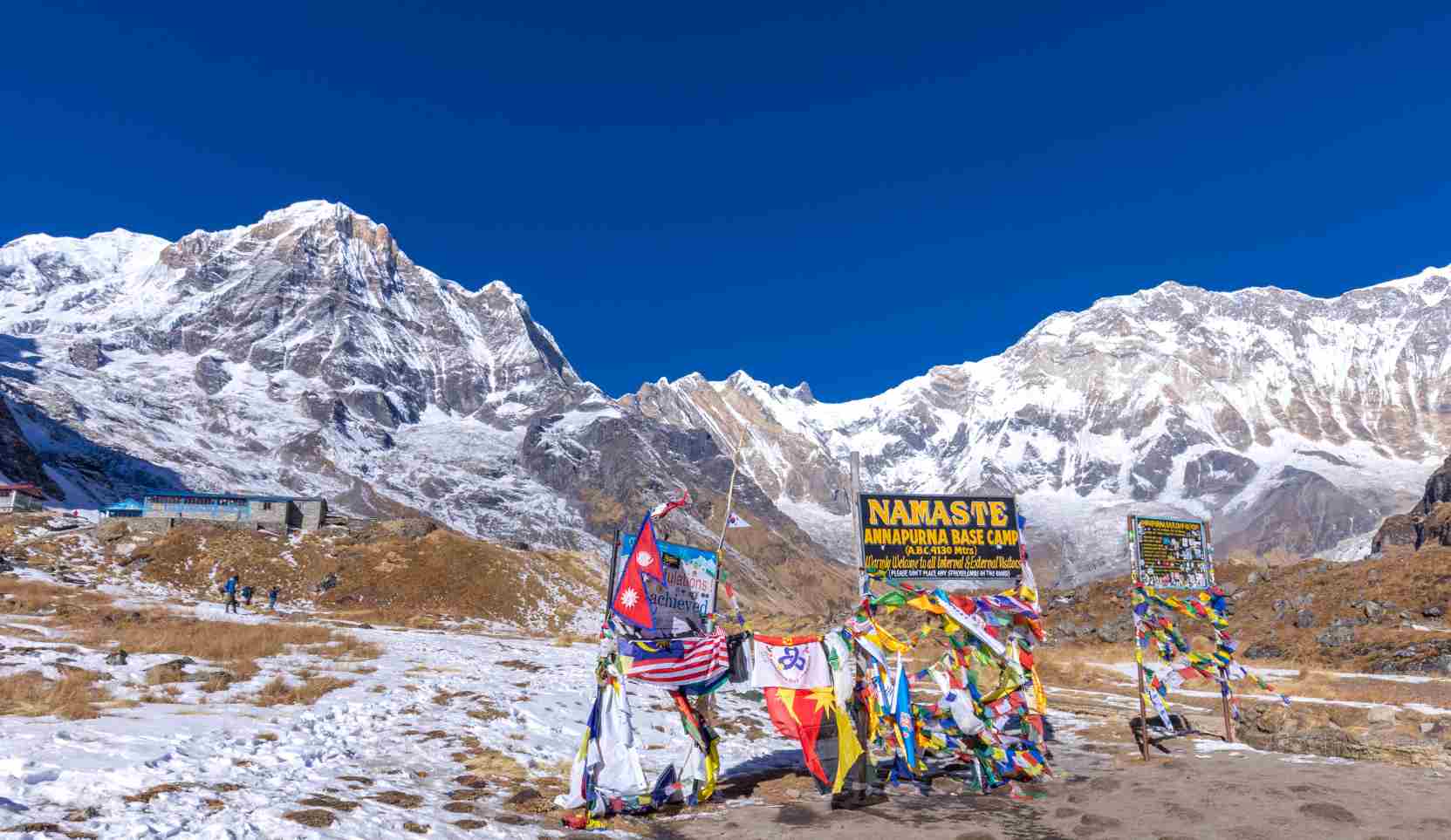
If you’re new to trekking, the Annapurna Base Camp Trek is a fantastic option for beginners. It offers a moderate level of difficulty, and with proper preparation, it’s accessible to most people. The trek typically takes 7 to 12 days, depending on the route and your pace. Along the way, you’ll pass through lush forests, cross suspension bridges, and ascend to Annapurna Base Camp, which sits at an altitude of 4,130 meters.
Here are some tips for beginners:
- Acclimatization: Since you’ll be gaining altitude, it’s important to pace yourself and allow time for your body to adjust. Spend extra days in places like Chomrong or Deurali to acclimatize.
- Stay Hydrated: Drinking plenty of water is key to preventing altitude sickness. Always carry a water purification system, as you’ll need to refill your bottle from natural sources.
- Prepare for Varying Weather: The weather can change quickly in the mountains. Be sure to pack layers, including a warm jacket for the higher altitudes, and a rain jacket, especially if trekking during the monsoon.
How to Prepare for Annapurna Base Camp
Before embarking on your Annapurna Base Camp Trek, preparation is crucial for a safe and enjoyable experience. Here’s how to get ready:
- Physical Training: Start a fitness routine at least a month in advance. Focus on cardiovascular exercises like hiking, running, or cycling to build your stamina. Also, incorporate strength training for your legs, as you’ll be walking on steep trails for hours each day.
- Gear Checklist: Having the right gear is essential for a successful trek. Some must-haves include:
- A good quality backpack (30-50L)
- Trekking poles to reduce impact on your knees
- Properly broken-in trekking boots
- Layered clothing for warmth and flexibility
- A sleeping bag suitable for cold weather
- Permits: Make sure to obtain the necessary permits for the trek, such as the Annapurna Conservation Area Permit (ACAP) and Trekkers’ Information Management System (TIMS) card. Most agencies like Tidy Himalaya will arrange these for you.
- Diet and Hydration: Eating a balanced diet and staying hydrated is vital. Carry energy snacks like nuts and chocolate to keep your energy levels up during long days of trekking.
- Mental Preparation: Trekking to Annapurna Base Camp is as much a mental challenge as it is a physical one. Keep a positive mindset and prepare for long days on the trail. Take breaks when needed, and enjoy the incredible scenery around you.
Conclusion
Trekking to Annapurna Base Camp is not just about reaching the base of the mighty Annapurna, it’s also a journey through vibrant cultures and communities. The Gurung and Magar people offer trekkers a glimpse into a way of life that has existed for centuries, deeply connected to the land and the mountains.
Whether you’re a first-time trekker or a seasoned adventurer, the Annapurna Base Camp Trek promises an unforgettable experience that combines breathtaking nature and rich cultural encounters. With proper preparation, guidance from agencies like Tidy Himalaya, and choosing the best time to visit, you’ll have an experience of a lifetime.
Recommendation Read on Best Time to trek ABC Camp: https://submitafreearticle.com/the-best-time-to-trek-to-annapurna-base-camp-tidy-himalaya/
