

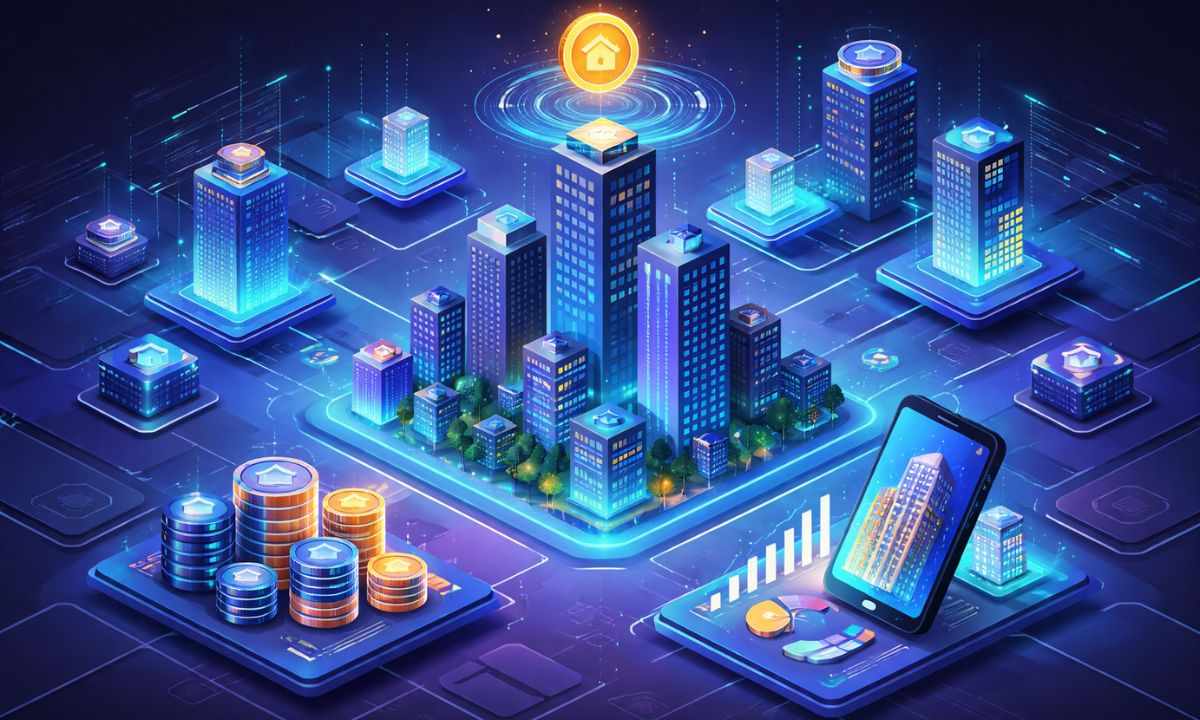
Property ownership has long been associated with paperwork, intermediaries, slow transactions, and high capital requirements. Buying or selling a property often involves lengthy verification procedures, legal documentation, and financial commitments that limit access for many investors. As digital technologies continue to influence global markets, the real estate sector is gradually adopting blockchain-based models that simplify ownership representation and investment access.
Real Estate Tokenization refers to the process of converting ownership rights of a physical property into digital tokens recorded on a blockchain network. Each token represents a fractional share of a property, allowing multiple investors to hold ownership in a single asset. This digital structure brings a different approach to property investment by dividing real estate into smaller investment units that can be traded more efficiently.
The growing interest in real estate asset tokenization is also encouraging businesses and entrepreneurs to enter this market through specialized platforms and technology services. Many organizations now collaborate with a Real Estate Tokenization company to develop blockchain platforms that handle token issuance, investor onboarding, compliance, and digital trading environments. These platforms create the technical infrastructure required for digital property markets where assets can be managed and exchanged online.
As global investors look for new ways to diversify their portfolios, real estate tokenization development is becoming an important subject for companies, developers, and financial institutions. Establishing the right infrastructure is a major step in creating reliable and compliant digital property ecosystems.
Understanding Real Estate Tokenization
Real Estate Tokenization is the process of representing property ownership through blockchain-based tokens. Instead of transferring entire property titles through traditional systems, ownership shares are converted into digital tokens that represent a portion of the asset. These tokens are stored on distributed ledger systems where records remain immutable and accessible to authorized participants.
Each token represents a defined percentage of the real estate asset. For example, if a commercial building is divided into 10,000 tokens, each token may represent 0.01 percent ownership of that property. Investors can purchase these tokens and receive returns based on rental income or property value appreciation.
Through real estate asset tokenization, property markets begin to resemble digital financial markets. Investors can access properties that previously required large capital investments. Property owners, on the other hand, gain the ability to raise capital by selling fractional ownership rather than transferring the entire asset.
To establish such digital ownership systems, organizations rely on specialized Real Estate Tokenization Services. These services include blockchain architecture planning, smart contract development, investor management systems, digital wallets, and regulatory compliance frameworks.
The Need for Infrastructure in Digital Property Markets
Tokenized real estate requires more than just blockchain tokens. A complete ecosystem must exist to support the lifecycle of digital property assets. This includes asset verification, legal documentation, token issuance, trading systems, and investor management.
Traditional property markets rely on registries, brokers, legal advisors, and banks. In digital environments, similar functions are performed through blockchain-based infrastructure and integrated software platforms. This infrastructure allows property data, ownership records, and transactions to be stored digitally.
Real Estate Tokenization focuses on creating this digital infrastructure. Platforms must provide several important features, including asset listing systems, identity verification processes, compliance management, token distribution mechanisms, and secondary marketplaces for token trading.
Without such infrastructure, tokenized assets cannot operate effectively. Investors need reliable systems that confirm asset authenticity, manage ownership records, and process transactions. Property owners also require tools to manage investor communication, rental income distribution, and regulatory reporting.
A Real Estate Tokenization Development company typically develops these systems using blockchain frameworks combined with web applications and digital asset management tools. The result is a platform where property assets can exist in digital form while maintaining links to legal ownership structures.
Role of Blockchain in Property Tokenization
Blockchain technology plays an important role in real estate tokenization development. A blockchain ledger records all transactions and ownership transfers in a decentralized database. Once data is recorded on the blockchain, it becomes extremely difficult to alter or remove.
This recordkeeping system provides a reliable method for tracking ownership changes. Instead of relying on centralized registries, property tokens remain recorded across distributed network nodes. Investors can verify ownership history directly through the blockchain.
Smart contracts also support tokenized property operations. These are digital agreements stored on blockchain networks that automatically execute certain conditions. For example, a smart contract can distribute rental income to token holders based on their ownership percentage.
Through Real Estate Tokenization Development Services, companies design smart contracts that manage token distribution, investor participation, dividend allocation, and governance procedures. Smart contracts reduce the need for manual intervention in certain processes.
Blockchain networks also provide auditability. Every transaction remains permanently recorded, allowing regulators and platform administrators to review activities if needed.
Components of a Real Estate Tokenization Platform
Creating a digital property market requires multiple software components working together within a single platform. Real Estate Tokenization Platform Development generally includes several modules that support property listing, investor interaction, and token trading.
The asset onboarding module is responsible for property verification and documentation. Before a property becomes tokenized, legal checks confirm ownership status, land registry records, and regulatory compliance. This step prevents fraudulent asset listings.
The token issuance module converts the property asset into blockchain tokens. Smart contracts determine the total token supply, ownership percentages, and investor allocation mechanisms.
Investor management systems allow participants to register accounts, complete identity verification procedures, and access token offerings. Compliance rules such as KYC and AML checks are typically integrated into this system.
A digital wallet integration allows investors to store and transfer property tokens securely. Wallets provide access to token balances and transaction history.
Secondary trading modules support the buying and selling of tokens among investors. This creates a marketplace where ownership shares can change hands without transferring the physical property.
Companies offering Real Estate Tokenization Development Services combine these modules into a unified digital platform that supports property investment activities from asset listing to investor participation.
Legal and Compliance Considerations
Real estate tokenization development must address legal and regulatory frameworks in different jurisdictions. Property ownership laws, securities regulations, and financial compliance standards influence how tokenized assets operate.
In many countries, tokenized property shares fall under securities regulations. This means token issuers must follow investor protection rules and disclosure requirements. Real Estate Tokenization Services typically include legal advisory support to structure token offerings within regulatory guidelines.
Asset ownership also requires proper legal documentation. In some tokenization models, a special purpose vehicle (SPV) holds the property while tokens represent shares in that entity. This structure connects blockchain tokens to legally recognized ownership rights.
Investor identity verification is another compliance requirement. Platforms must verify investor identities before allowing participation in token offerings. Anti-money laundering procedures and transaction monitoring systems are commonly integrated within tokenization platforms.
A Real Estate Tokenization Development company often works alongside legal advisors and compliance experts to align the technology platform with jurisdictional requirements.
Benefits for Property Owners and Developers
Property owners often face challenges when attempting to raise capital for real estate projects. Traditional financing methods such as bank loans or institutional funding involve complex approval procedures and lengthy negotiation processes.
Real estate asset tokenization provides another option for property financing. By dividing property ownership into digital tokens, developers can raise funds from a wider group of investors. Each investor contributes smaller capital amounts while receiving fractional ownership.
This method also helps property owners maintain partial ownership while selling certain shares to investors. Instead of transferring the entire asset, developers can continue managing the property while distributing returns to token holders.
Digital token platforms also provide improved access to global investors. Participants from different regions may invest in tokenized properties without physical presence in the property location.
Real Estate Tokenization Services support property owners by managing the technical and operational aspects of token issuance and investor participation.
Opportunities for Investors
Investors benefit from tokenized property markets in several ways. One of the main advantages is fractional ownership. Instead of purchasing an entire property, investors can purchase smaller token shares.
This lowers the capital barrier that previously limited property investments to wealthy individuals or institutions. Smaller investors can participate in real estate markets with lower entry amounts.
Portfolio diversification is another benefit. Investors can allocate funds across multiple properties rather than committing all funds to a single asset. For example, a portfolio could include residential buildings, office spaces, hotels, and commercial properties in different locations.
Real Estate Tokenization Platforms also provide digital transaction records that simplify ownership tracking. Investors can view their token holdings and transaction history through platform dashboards.
Secondary trading opportunities also allow investors to sell tokens when market conditions change, providing greater flexibility compared to traditional property sales.
Technology Stack for Real Estate Tokenization Platforms
Developing tokenized property platforms requires a combination of blockchain and traditional software technologies. Real Estate Tokenization Platform Development generally includes smart contract frameworks, web applications, digital asset management systems, and secure database infrastructures.
Blockchain networks such as Ethereum, Polygon, or other permissioned ledgers are commonly used to record token transactions and ownership data. Smart contracts define token distribution rules and ownership rights.
Backend systems manage user accounts, asset documentation, compliance procedures, and transaction records. These systems integrate with blockchain networks through APIs.
Front-end web applications allow users to interact with the platform. Investors can browse property listings, review asset information, purchase tokens, and monitor investment performance through web interfaces.
Digital wallet integration allows token storage and transfer between users. Security systems protect user accounts and transaction processes through encryption and authentication mechanisms.
A Real Estate Tokenization Development company typically manages the design, development, testing, and deployment of these technical components.
The Role of Real Estate Tokenization Companies
Businesses interested in entering tokenized property markets often collaborate with specialized technology providers. A Real Estate Tokenization company provides the expertise needed to develop blockchain platforms, integrate smart contracts, and manage regulatory requirements.
These companies offer consulting services to help property developers understand the tokenization process and identify suitable asset structures. They also assist in selecting blockchain networks and designing token economics.
Real Estate Tokenization Development Services may include platform design, smart contract programming, investor dashboard creation, and token issuance management. Some companies also provide white-label platforms that allow businesses to launch tokenized property marketplaces under their own brand.
Technology providers also conduct platform testing to identify vulnerabilities and ensure system reliability before deployment.
Through such partnerships, property developers and financial institutions can enter digital property markets without developing blockchain infrastructure from scratch.
Future Outlook of Digital Property Markets
Real estate markets are gradually integrating digital technologies into property transactions and asset management systems. Tokenized ownership models represent one stage in this digital progression.
As blockchain adoption continues to expand, tokenized real estate platforms may connect with financial markets, property registries, and investment management systems. Such integration could allow digital property tokens to interact with broader financial ecosystems.
Financial institutions, investment funds, and property developers are observing the growth of tokenized assets as new investment channels. The combination of blockchain infrastructure and fractional ownership models may lead to wider participation in property markets.
Real estate tokenization development will likely continue evolving as regulations become clearer and technology platforms mature. Companies offering Real Estate Tokenization Services will play a significant role in developing the infrastructure required for these digital markets.
The development of reliable platforms, compliance frameworks, and investor ecosystems will determine how widely tokenized real estate becomes adopted across global property markets.
Conclusion
Property markets have traditionally operated through complex legal systems, intermediaries, and lengthy transaction processes. The introduction of blockchain-based ownership models has introduced new possibilities for digital property markets.
Real Estate Tokenization converts physical property ownership into digital tokens that represent fractional shares of real estate assets. Through this process, property owners gain new funding opportunities while investors gain access to diversified property portfolios.
The development of digital property ecosystems requires comprehensive technology infrastructure. Real Estate Tokenization Platform Development includes blockchain networks, smart contracts, investor management systems, and trading marketplaces that support property token operations.
Businesses entering this space often collaborate with a Real Estate Tokenization Development company to design and deploy these platforms. Real Estate Tokenization Development Services support property token issuance, investor onboarding, and digital asset management.
As interest in real estate asset tokenization continues to grow, digital platforms will play a central role in managing property ownership and investment activities. Establishing secure infrastructure, regulatory compliance frameworks, and reliable token markets will determine how this digital approach develops within the global real estate industry.