

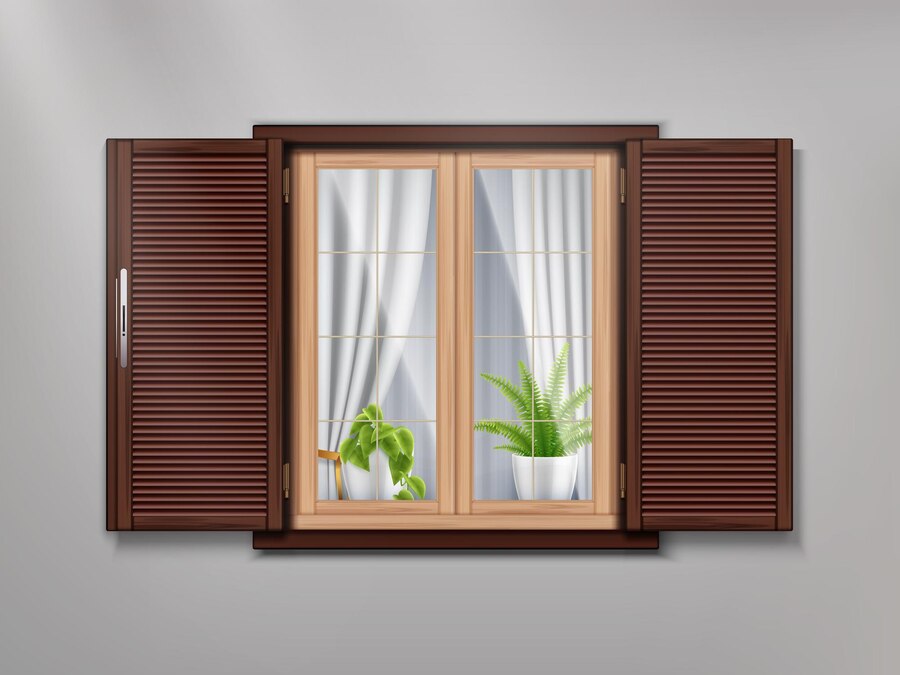
Traditional sash windows, with their distinctive vertical sliding design and timeless aesthetic, have left an indelible mark on architecture for centuries. Rooted in history and synonymous with elegance, these windows have adorned homes across various eras, becoming iconic features that stand as testaments to meticulous craftsmanship. This article explores the enduring allure and unique characteristics of traditional sash windows an integral part of architectural heritage.
A Stroll Through History:
1. Origins and Evolution:
- Traditional sash windows originated in 17th-century England, with their design evolving over subsequent centuries. Initially embraced in Georgian and Victorian architecture, these windows have stood the test of time, seamlessly adapting to changing design preferences.
2. Architectural Influence:
- The popularity of sash windows surged during the Georgian and Victorian eras, where they became architectural staples of elegant townhouses and period homes. Their symmetrical proportions and divided lights contributed to the grandeur of these structures.
Design Elements:
1. Vertical Sliding Mechanism:
- The hallmark feature of traditional sash windows is their vertical sliding mechanism. This ingenious design allows for smooth and efficient operation, enabling precise control over ventilation and airflow.
2. Divided Lights and Glazing Bars:
- Characterized by divided lights and glazing bars, traditional sash windows typically consist of multiple panes. The arrangement of these panes, separated by bars, adds a distinctive visual appeal and echoes historical design sensibilities.
3. Counterbalanced Weight System:
- Many traditional sash windows employ a counterbalanced weight system, showcasing the craftsmanship of bygone eras. This mechanism, often concealed within the window frame, ensures that the sashes open and close with effortless grace.
Timeless Elegance:
1. Architectural Versatility:
- Traditional sash windows possess a remarkable ability to seamlessly integrate with various architectural styles. From Georgian and Victorian structures to more contemporary designs, their versatility makes them a timeless choice for both historical restorations and new constructions.
2. Classic Aesthetics:
- The classic aesthetics of traditional sash windows contribute to the overall elegance of a building. Their clean lines, balanced proportions, and understated beauty create an ageless charm that transcends fleeting design trends.
3. Interior Illumination:
- One of the captivating features of sash windows is their capacity to enhance interior illumination. The design allows ample natural light to flood the living spaces, creating bright and inviting rooms—a characteristic highly valued in modern architectural preferences.
Modern Interpretations:
1. Enhanced Energy Efficiency:
- Adapting to contemporary demands, modern versions of traditional sash windows incorporate energy-efficient features. Double glazing, advanced sealing techniques, and insulated frames ensure improved thermal performance while maintaining the charm of the original design.
2. Low Maintenance Options:
- Innovations in materials and manufacturing have given rise to low maintenance options for traditional sash windows. Homeowners can now enjoy the aesthetic appeal of these windows without the extensive upkeep associated with older models.
Traditional sash windows stand as architectural gems that bridge the past and present. Their enduring allure, rooted in history and refined craftsmanship, continues to captivate homeowners, architects, and admirers of timeless design. As symbols of elegance and functionality, traditional sash windows remain an integral part of architectural heritage, leaving an indelible mark on the built environment and perpetuating the legacy of meticulous craftsmanship through the ages.


