

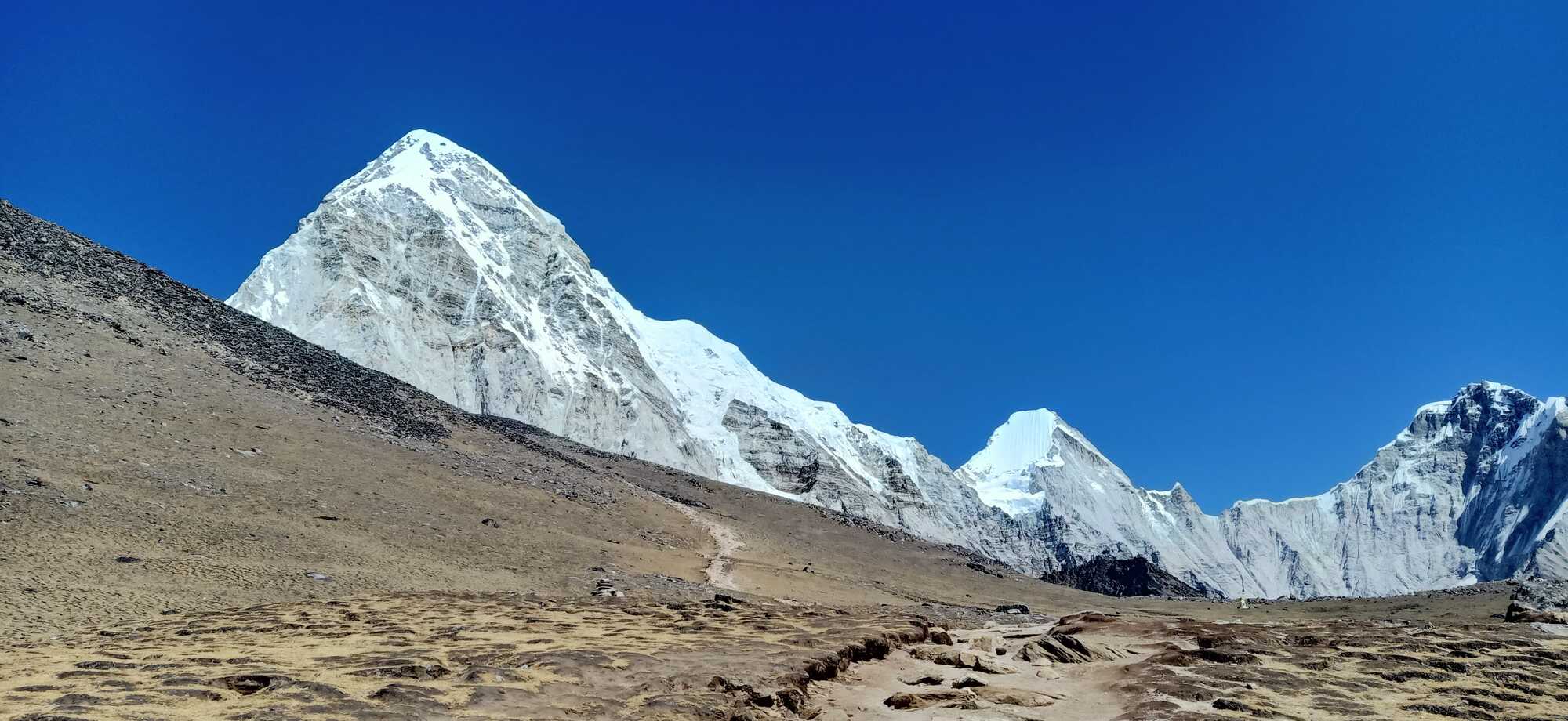
The Science Behind the Rainbow Valley Death Zone: How Elevation Affects Life
If you’re an avid trekker or someone fascinated by high-altitude adventures, you’ve probably heard of the Rainbow Valley Death Zone. Located near the summit of Mount Everest, this ominous region draws attention not only for its striking name but also for the life-threatening conditions that define it. But what makes this part of Everest so dangerous? How does elevation impact both human physiology and survival in extreme environments like the Everest region?
This blog unpacks the science behind the Rainbow Valley Death Zone, exploring how high elevations like those encountered on the Everest Base Camp Trek affect life, and why experienced trekkers rely on agencies like Dolpo Caravan for safe trekking experiences.
1. What Is the Rainbow Valley Death Zone?
The Rainbow Valley Death Zone is a stretch of the mountain near the summit of Mount Everest. It gets its name from the eerie sight of brightly colored jackets and gear from the bodies of climbers who perished there. The chilling reality is that this zone is so remote and dangerous that removing these bodies is nearly impossible.
The death zone begins at approximately 8,000 meters (26,000 feet) above sea level, where oxygen levels are so low that human life cannot be sustained for long. Most of the deaths in the Rainbow Valley are due to extreme altitude, where climbers succumb to conditions like hypoxia (oxygen deprivation), exhaustion, and exposure to the freezing environment.
2. The Science of High Altitude: Why Is It So Dangerous?
To understand the danger of the Rainbow Valley Death Zone, it’s crucial to grasp how high altitudes affect the human body. As elevation increases, several physiological changes occur, which can be life-threatening without proper acclimatization.
a. Oxygen Levels and the Effects on the Body
The higher you climb, the thinner the air gets, reducing the amount of oxygen available to breathe. At sea level, the atmospheric oxygen concentration is around 21%. However, at altitudes exceeding 8,000 meters, oxygen availability drops to around 33% of what you would find at sea level.
This oxygen deprivation leads to hypoxia, where the body’s tissues and organs aren’t receiving enough oxygen. The symptoms range from dizziness and confusion to loss of consciousness and, eventually, death if left untreated.
b. Acclimatization: The Body’s Response to High Altitude
When exposed to high elevations, the body naturally begins a process called acclimatization. To cope with reduced oxygen, the body increases its production of red blood cells to transport more oxygen to the tissues. The heart rate also rises to pump oxygen more efficiently, and breathing becomes more rapid.
However, even with acclimatization, there’s a limit to how much the body can compensate. The Death Zone is at an altitude where even the best acclimatized bodies struggle to survive for long. Climbers usually aim to spend as little time as possible in this region during their summit attempts.
c. Altitude Sickness and Its Variants
Acute Mountain Sickness (AMS) is a common issue faced by trekkers and climbers in high-altitude areas like the Everest region. Early symptoms include headache, nausea, and shortness of breath. If left untreated, it can progress into more severe conditions:
- High-Altitude Cerebral Edema (HACE): A life-threatening condition where the brain swells due to a lack of oxygen, causing confusion, loss of coordination, and hallucinations.
- High-Altitude Pulmonary Edema (HAPE): Fluid accumulates in the lungs, leading to difficulty breathing and eventually, respiratory failure.
Both conditions are common killers in the Death Zone, where evacuation or treatment becomes near impossible due to the remote and dangerous location.
Recommend Read Article “Rainbow Valley Geograpgy and Unique Feature” : https://submitafreearticle.com/exploring-rainbow-valley-geography-and-unique-features-dolpo-caravan/
3. How Elevation Affects Trekking in the Everest Region
While the Rainbow Valley Death Zone may seem like a concern only for those attempting to summit Everest, altitude still plays a significant role in other treks in the Everest region, such as the popular Everest Base Camp Trek.
a. Acclimatization on the Everest Base Camp Trek
The Everest Base Camp Trek takes you to an elevation of 5,364 meters (17,598 feet), which is still well below the Death Zone but high enough to require acclimatization. Most trekkers follow a gradual ascent schedule with plenty of rest days to allow the body time to adjust to the thinning air.
Experienced agencies like Dolpo Caravan specialize in high-altitude trekking and incorporate acclimatization stops into their itineraries to reduce the risk of altitude sickness.
b. Safety Precautions for High-Altitude Treks
Preparation is essential for treks in the Everest region. In addition to proper acclimatization, trekkers must ensure they are well-hydrated, avoid alcohol, and consume enough calories to sustain their energy levels. Carrying altitude medications like Diamox (Acetazolamide) can help prevent altitude sickness.
Trekking with seasoned guides from agencies like Dolpo Caravan provides an added layer of safety. They are trained to recognize early symptoms of altitude sickness and can make informed decisions about whether to descend or continue ascending based on the group’s condition.
4. How Trekking Agencies Play a Role in Safety
For trekkers venturing into high-altitude regions like Everest or Dolpo, partnering with a reliable agency is crucial for a safe and enjoyable experience. Dolpo Caravan, known for its expertise in remote and high-altitude trekking, is one of the best trekking agencies for these kinds of adventures.
a. Expert Guides and Local Knowledge
Trekking agencies like Dolpo Caravan employ local guides who are highly experienced in navigating the Everest region and its unique challenges. They are familiar with the terrain, climate, and potential hazards, ensuring trekkers are well-prepared for the journey.
b. Safety and Evacuation Protocols
In case of emergencies, trekking agencies have protocols in place to arrange for helicopter evacuations or administer oxygen if necessary. This is especially important in high-altitude regions where altitude sickness can escalate quickly.
5. Conclusion: The Intersection of Science and Adventure
The Rainbow Valley Death Zone serves as a stark reminder of the dangers that come with high-altitude climbing. While the thrill of summiting peaks like Mount Everest is undeniable, understanding the science behind how elevation affects life is crucial for survival.
Whether you’re embarking on an Everest Base Camp Trek or aiming for the summit, safety is paramount. Partnering with experienced trekking agencies like Dolpo Caravan ensures you not only enjoy the beauty of the Everest region but also do so while minimizing risk. Elevation challenges human life in profound ways, but with the right knowledge, preparation, and support, even the harshest environments can be navigated successfully.
