

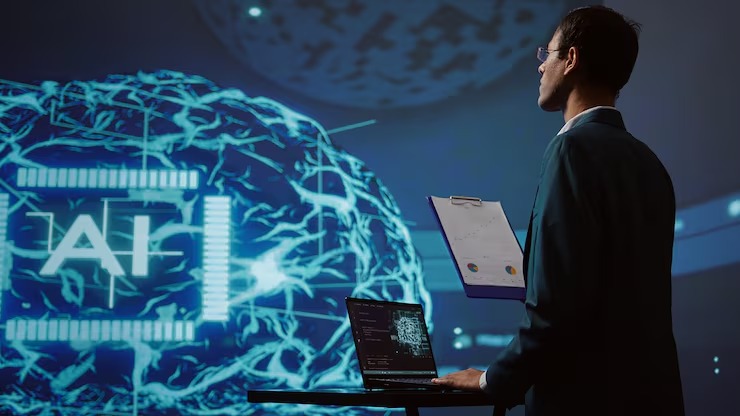
Event management is evolving rapidly. Once primarily focused on in-person logistics, the field now integrates advanced technology, data-driven strategies, and immersive experiences. As organizations aim to engage increasingly sophisticated audiences, understanding the trends shaping the future of event management is essential for planners, marketers, and corporate decision-makers alike.
The Growth of Hybrid and Virtual Events
Hybrid and virtual events are becoming standard in modern event management. Hybrid events, which combine in-person and virtual attendance, offer flexibility for participants while expanding reach. Attendees can engage from anywhere in the world, creating broader opportunities for networking and audience engagement.
Virtual platforms provide tools for live polling, Q&A sessions, and analytics tracking, enabling event managers to measure engagement and tailor future events accordingly. The integration of technology ensures that both in-person and online attendees have equally immersive experiences.
Personalized Attendee Experiences
Modern audiences expect personalized experiences that match their preferences, interests, and professional goals. Generic, one-size-fits-all event formats no longer suffice. Personalized agendas, session recommendations, and networking suggestions are becoming standard expectations.
Artificial intelligence (AI) and machine learning allow event managers to deliver tailored experiences. AI can suggest relevant sessions, exhibitors, or networking opportunities based on attendee profiles. This personalization improves engagement, satisfaction, and the overall ROI of an event.
Data-Driven Decision Making
Data has become central to effective event management. Analytics help organizers predict attendance, optimize scheduling, and allocate resources efficiently. Real-time tracking of attendee engagement, session participation, and feedback enables data-driven adjustments that improve outcomes.
Advanced platforms also allow sentiment analysis on survey responses and social media interactions. This continuous feedback loop empowers organizers to refine content, optimize logistics, and enhance the attendee experience.
Sustainability and Eco-Friendly Practices
Sustainability is a key focus in contemporary event management. Attendees and organizations alike are increasingly conscious of the environmental impact of events. Eco-friendly practices such as digital ticketing, minimizing single-use plastics, sourcing local materials, and reducing energy consumption at venues are now standard considerations.
Hybrid and virtual events also contribute to sustainability by reducing the need for travel. Integrating sustainable practices into event strategy benefits the environment and aligns with attendee expectations.
Advanced Event Management Technology
Technology is reshaping the way events are planned and executed. Event management software helps streamline registration, agenda planning, attendee engagement, and analytics, reducing manual tasks and improving efficiency.
Organizations looking for robust solutions can consider Event Software, which provides tools to manage every stage of an event effectively.
Event Management Software Price
When evaluating technology solutions, cost is an important factor. Knowing the Event Management Software Price helps organizations select tools that fit their budget while meeting operational needs. For detailed pricing information, visit:
https://www.eventsoftware.com/pricing
Immersive and Experiential Events
Attendees now seek events that are interactive and memorable. Experiential event design emphasizes engagement and participation, creating stronger emotional connections between participants and the event.
Technologies like augmented reality (AR) and virtual reality (VR) allow organizers to create interactive sessions, gamified experiences, and immersive environments. These experiences increase engagement and leave lasting impressions that enhance brand loyalty and attendee satisfaction.
Enhanced Networking Opportunities
Networking remains a core pillar of event management, and technology is expanding the ways participants connect. AI-driven matchmaking, virtual lounges, breakout rooms, and live chat tools allow attendees to interact meaningfully before, during, and after events.
By facilitating relevant connections efficiently, organizers can deliver greater value and ensure attendees feel their time is well spent, whether they participate in person or virtually.
Security and Privacy Considerations
With the growth of digital components in events, protecting attendee data is paramount. Platforms must safeguard registration information, payments, and proprietary content while complying with data protection regulations.
Modern event management platforms integrate encrypted communication, secure payment processing, and access controls. Prioritizing security builds trust and ensures a seamless, risk-free experience for all participants.
The Role of AI and Automation
Automation and AI are streamlining event workflows. Repetitive tasks such as ticketing, registration, and scheduling can now be automated, allowing organizers to focus on strategic planning and creativity.
AI tools can analyze attendee behavior, predict trends, and optimize logistics, while chatbots provide instant assistance, answer FAQs, and guide participants through agendas. These innovations improve efficiency and engagement across all types of events.
Conclusion
The future of event management is shaped by technology, personalization, sustainability, and data-driven strategies. Hybrid and virtual formats, immersive experiences, AI-powered insights, and eco-conscious practices are redefining the industry.
By investing in the right event management solutions, planners can maximize efficiency, engagement, and ROI. Platforms like Event Software provide tools to streamline operations and enhance attendee experiences.
Understanding the Event Management Software Price a https://www.eventsoftware.com/pricing ensures smart investment decisions.
By staying ahead of these trends, event professionals can design events that are innovative, engaging, and future-ready. Whether through AI-driven personalization, sustainable planning, or immersive experiences, the next generation of events promises to be smarter, more dynamic, and highly impactful.

