

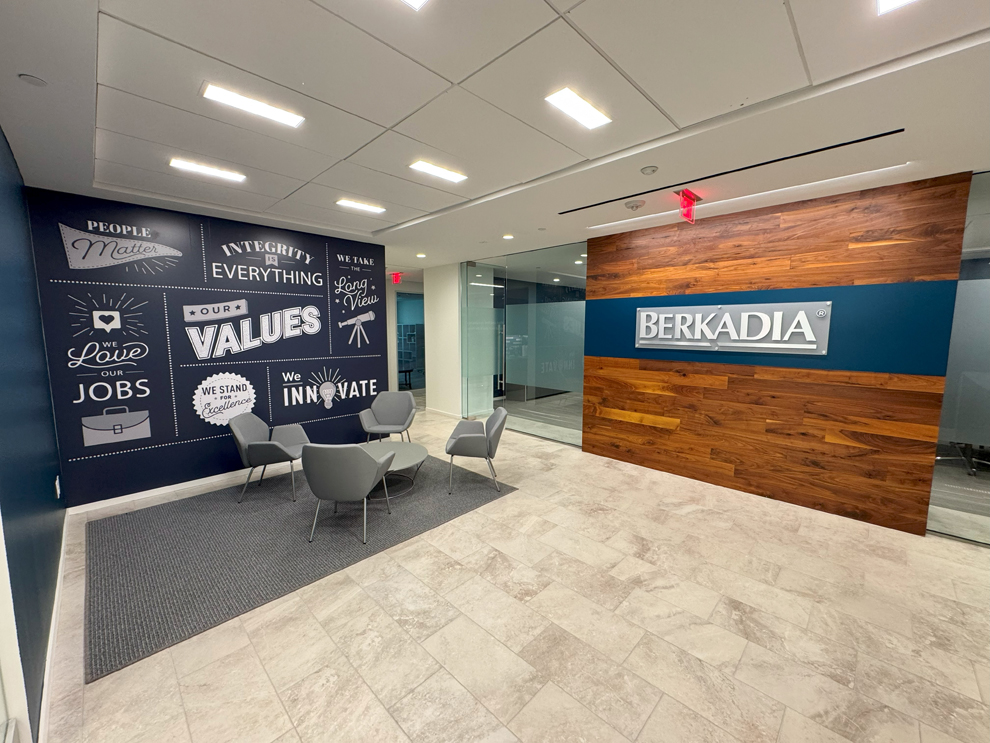
When I think about workplace branding, I do not limit the idea to logos, colors, or marketing materials. The physical office itself can communicate a company’s identity every day. From reception areas and corridors to meeting rooms and department spaces, carefully planned signage can make the workplace feel cohesive, professional, and easy to navigate. That is why I see Office Signs Lincolnton NC as an important part of a broader interior branding strategy.
Office signage serves a practical purpose, but it can also reinforce the visual identity of a business. Consistent typography, colors, materials, and messaging can connect individual areas into one recognizable workplace environment. Current workplace signage guidance similarly emphasizes balancing brand consistency with clear navigation and readability.
How Office Signs Support a Consistent Brand
A strong brand should feel recognizable wherever customers, employees, or visitors interact with it. I can carry that consistency into the office by using signage that complements existing brand elements.
For example, a reception sign can introduce the company’s identity as soon as someone enters. Identification signs can continue the same design language throughout the workplace, while directional signs can use consistent colors, typography, and icons. This creates a visual connection between different areas instead of making each sign appear unrelated.
With Office Signs Lincolnton NC, I can help establish a unified visual system that supports the overall appearance of a professional office. This approach is especially useful when a business has multiple departments, meeting spaces, or floors that need clear identification.
Improving Navigation Without Sacrificing Style
Interior branding should not come at the expense of functionality. Visitors should be able to locate reception, conference rooms, departments, and other important areas without unnecessary confusion. Effective wayfinding can reduce uncertainty and help people move through an unfamiliar workplace more comfortably.
I consider readability and placement just as important as appearance. A beautifully designed sign has limited value if the lettering is difficult to read or the sign appears after a visitor has already passed the decision point.
That is where Office Signs Lincolnton NC can combine visual appeal with practical communication. Clear wording, appropriate contrast, logical placement, and recognizable symbols can make the office easier to understand while maintaining the desired brand aesthetic.
Creating a More Professional Workplace
A well-organized interior can influence how people perceive a business. When signage looks consistent and intentional, it can contribute to an office environment that feels organized and thoughtfully planned.
I can use interior signage to identify meeting rooms, departments, reception areas, employee spaces, and other important destinations. These details may seem small individually, but together they help establish a consistent workplace experience.
For businesses updating an existing office or developing a new interior, Office Signs Lincolnton NC for branded workplace interiors can be incorporated alongside wall graphics, dimensional lettering, reception branding, and other interior elements.
Supporting Employee and Visitor Experiences
Branding is not only about what customers see. Employees spend significant amounts of time inside the workplace, so the environment should also support their daily experience.
Clear room and department signs can help new employees become familiar with the office layout. Directional signage can reduce repeated questions about where particular spaces are located. Consistent visual elements can also make different areas feel like parts of the same organization.
Office Signs Lincolnton NC are most effective when they address both communication and aesthetics. The signs should provide useful information while naturally fitting into the surrounding interior design.
Choosing Signs That Fit the Office
Not every office requires the same signage system. A small professional office may need straightforward room identification and reception signage, while a larger workplace may require directories, directional signs, departmental markers, and other coordinated elements.
I would first consider the office layout, the people using the space, the brand guidelines, and the information visitors need. From there, materials, colors, typography, mounting methods, and sign sizes can be selected to suit the environment.
This planning process helps prevent signage from becoming an afterthought. Instead, Office Signs Lincolnton NC can become an intentional part of the workplace design from the beginning. Businesses seeking a coordinated approach can work with Heritage Signs & Displays to incorporate signage into their broader interior branding strategy.
FAQs
What are office signs used for?
Office signs identify rooms and departments, provide directions, communicate important information, and support a consistent visual identity throughout a workplace.
Can office signs reinforce company branding?
Yes. Signage can incorporate brand colors, typography, logos, materials, and design elements while still maintaining clear and functional communication.
Where should office signs be placed?
Placement depends on the purpose of the sign. Directional signs should generally appear before decision points, while identification signs should be positioned where people can easily see them.
Are office signs useful for visitors?
Yes. Clear signage can help first-time visitors locate reception areas, meeting rooms, departments, and other destinations without repeatedly asking for assistance.
How can I make office signage both attractive and readable?
I recommend prioritizing clear typography, strong contrast, concise wording, logical placement, and consistent design elements. Branding should complement readability rather than interfere with it.
Final Thoughts
Interior branding works best when every visual element contributes to a cohesive environment. Office Signs Lincolnton NC can help businesses combine brand expression, navigation, communication, and professionalism throughout their workplaces. When planned alongside the broader interior design, signage becomes more than a label on a wall—it becomes a functional part of the office experience.