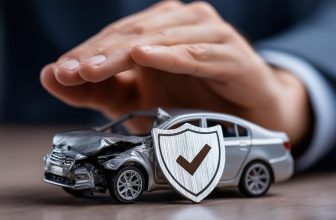


If your employees drive for work, you need to understand how your business insurance responds when an accident occurs. Whether an employee uses a company-owned vehicle, a personal car for business errands, or a rental vehicle for a work assignment, the coverage available depends on your policy and how the vehicle is used.
Commercial Insurance Ohio businesses rely on can help manage vehicle-related risks, but not every commercial policy automatically covers every employee-driven vehicle. Understanding the differences between commercial auto insurance, hired and non-owned auto coverage, and personal auto insurance helps you identify potential gaps before an accident happens.
Does Commercial Insurance Cover Employee-Driven Vehicles in Ohio?
Yes, commercial insurance may cover employee-driven vehicles, but protection depends on the policy, vehicle ownership, business use, and the coverage options you have selected.
A commercial auto policy generally covers scheduled or otherwise eligible business vehicles under its terms. If an employee drives a company vehicle to visit a client, transport equipment, or complete a delivery, the policy may respond to a covered accident.
However, when an employee uses a personally owned vehicle for company business, the situation can be different. Your business may need hired and non-owned auto coverage to address certain liability exposures associated with vehicles your company does not own.
Before assuming your existing insurance provides protection, review your policy with an insurance professional. The right coverage depends on how your employees drive, what vehicles they use, and the responsibilities your business accepts.
Which Types of Employee-Driven Vehicles Need Coverage?
Company-Owned Vehicles
If your business owns cars, vans, pickup trucks, or service vehicles, commercial auto insurance can provide coverage for eligible business use. Depending on the policy, protection may include liability for bodily injury and property damage caused by a covered accident.
You may also choose physical damage coverage for covered damage to your business vehicles. Collision and comprehensive coverage address different risks, subject to deductibles, exclusions, and policy conditions.
Make sure employees who regularly operate company vehicles meet your insurer’s eligibility requirements. Maintain accurate vehicle records and review your policy whenever you add vehicles or change their primary use.
Employee-Owned Vehicles Used for Business
Employees sometimes use their personal cars to visit customers, attend meetings, deliver documents, or purchase business supplies. Their personal auto insurance may provide some protection, depending on the policy and circumstances.
However, personal auto coverage may not fully address every business-related exposure. If an employee causes an accident while performing an authorized work task, your company could face a liability claim.
Hired and non-owned auto coverage can help protect your business against certain liability claims involving vehicles it does not own. Non-owned coverage generally addresses qualifying business use of employee-owned vehicles, while hired auto coverage typically applies to eligible vehicles rented or hired for business purposes.
These coverages generally do not replace the employee’s personal auto insurance or automatically pay for damage to the employee’s vehicle.
Rental Vehicles Used for Work
Your employees may rent vehicles when traveling for business, attending industry events, or visiting customers. A personal or commercial auto policy may provide some coverage, but the applicable terms can vary.
Hired auto coverage may help address your business’s liability exposure when employees use eligible rental vehicles for work. Physical damage to the rental vehicle may require separate coverage or an applicable policy endorsement.
Review rental agreements and insurance requirements before employees collect a vehicle. Do not assume that a company policy automatically covers every rental-related expense or liability.
What Factors Affect Commercial Auto Coverage in Ohio?
Several factors influence whether your business insurance responds to an employee-driven vehicle accident.
- Vehicle ownership: Company-owned, employee-owned, and rented vehicles can fall under different coverage provisions.
- Business purpose: An authorized client visit may be treated differently from an employee’s personal trip.
- Driver eligibility: Insurers may consider driving records, licensing, and policy-specific restrictions.
- Policy endorsements: Hired and non-owned auto coverage may need to be added separately.
- Coverage limits: Available limits influence how much protection applies to an eligible claim.
- Exclusions and conditions: Certain activities, unauthorized vehicle use, or other circumstances may affect coverage.
Ohio businesses should also understand applicable state auto insurance requirements. Meeting minimum legal requirements does not necessarily mean your business has sufficient protection against a serious accident or lawsuit.
How Can You Reduce Employee-Driving Risks?
Establish a Clear Vehicle Use Policy
Explain when employees may drive for work, whether passengers are permitted, how company vehicles should be maintained, and what steps drivers must follow after an accident.
Require employees to obtain approval before using personal vehicles for business errands. Written procedures help clarify responsibilities and support consistent risk management.
Verify Driver Eligibility and Insurance
Confirm that employees who operate company vehicles hold valid licenses and satisfy your insurer’s requirements. For employees using personal cars, establish a process for verifying appropriate personal auto insurance.
Keep documentation current and review driver eligibility when responsibilities change. An employee who rarely drives may present a different exposure from someone who regularly makes customer visits or deliveries.
Review Coverage as Your Business Changes
Your insurance needs may change when you hire additional employees, expand delivery operations, introduce field services, or begin reimbursing employees for business mileage.
Review your commercial auto coverage whenever your vehicle use changes significantly. Ask whether your existing policy covers employee-owned and rented vehicles, whether hired and non-owned auto coverage is appropriate, and whether your liability limits match your business exposure.
How Oyer Insurance Agency LLC Can Help
Choosing suitable business insurance requires more than checking whether your company owns vehicles. You need to understand how employees use those vehicles, where liability may arise, and which policy provisions address those risks.
Explore commercial insurance options for your Ohio business to learn more about protecting your operations. An insurance professional can help you evaluate your vehicle-related exposures, identify potential coverage gaps, and understand available options based on your circumstances.
If you are unsure whether your current policy covers employees driving personal or rental vehicles for work, take time to review the details before an accident occurs.
Visit Oyer Insurance Agency LLC to discuss your business insurance needs and determine which coverage options may be appropriate for your operations. A proactive review can help you make informed decisions and manage the risks associated with employee-driven vehicles.
Frequently Asked Questions
Does commercial auto insurance cover employees driving company vehicles?
Commercial auto insurance generally covers eligible employees operating covered company vehicles with permission, subject to policy terms, driver restrictions, exclusions, and selected coverage.
Does commercial insurance cover employees using personal cars for work?
Not automatically. Your business may need non-owned auto liability coverage, while the employee’s personal auto policy may also apply, depending on circumstances.
What is hired and non-owned auto insurance?
Hired and non-owned auto insurance can help address business liability involving eligible rented or employee-owned vehicles used for company purposes, subject to policy conditions.
Does commercial insurance cover damage to an employee’s personal vehicle?
Non-owned auto liability coverage generally does not cover physical damage to an employee’s personal car. The employee’s applicable auto policy may provide protection.
Should Ohio businesses review employee vehicle coverage regularly?
Yes. Review coverage when hiring drivers, adding vehicles, expanding business travel, or changing delivery operations to identify potential gaps and maintain appropriate protection.