

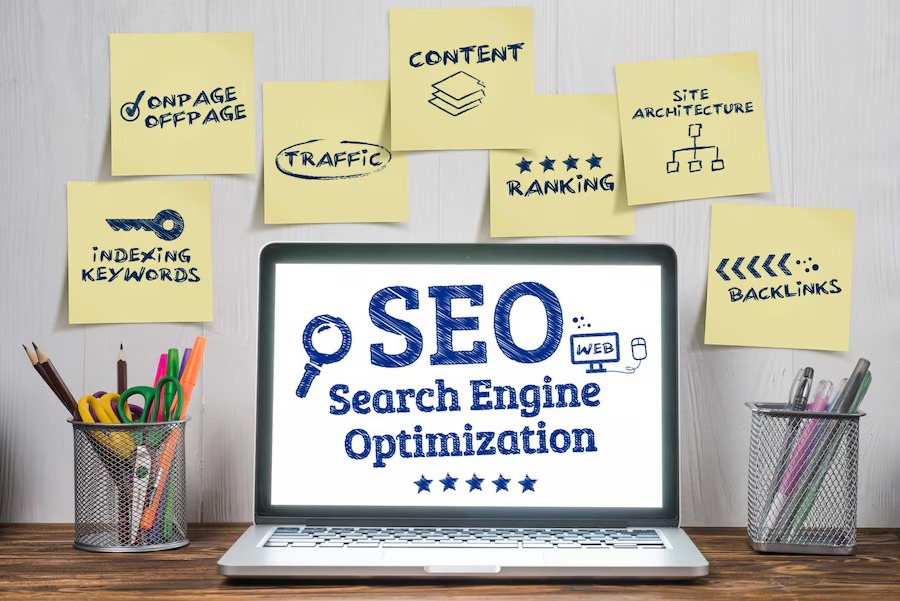
Running a successful spa involves more than providing relaxing treatments and excellent customer service. Your business also needs to be visible when potential clients search online for skincare advice, massage treatments, wellness solutions, and local spa services. One effective way to build that visibility is through strategic blog content. A useful spa blog can answer customer questions, demonstrate expertise, attract organic visitors, and encourage readers to explore your services.
When planned carefully, SPA SEO Marketing can turn a simple business blog into a valuable growth channel. Instead of publishing articles just to keep a website active, spa owners can create content around topics that potential clients are already searching for.
Understand What Your Potential Clients Are Searching For
The first step in using blog content effectively is understanding your audience. Think about the questions your customers ask before booking an appointment.
For example, potential clients may search for:
- What are the benefits of a relaxing facial?
- How often should you get a massage?
- Which spa treatment is best for dry skin?
- What should you expect during your first spa visit?
- What is the difference between different massage techniques?
- How should you prepare for a spa treatment?
These questions can become excellent blog topics. When your articles provide clear and helpful answers, they can attract people who are already interested in wellness and beauty services.
Keyword research can also help you discover the phrases people use when searching for treatments. Focus on relevant phrases that match your services and location rather than trying to include every possible keyword.
Create Content Around Your Spa Services
Your blog should support the services that generate revenue for your business. If you offer facials, massages, body treatments, skincare services, or wellness packages, create educational content related to each category.
For example, a massage-focused article could explain the benefits, preparation tips, and what a first-time visitor should expect. A skincare article could discuss seasonal skincare routines and explain which treatments may complement those routines.
This approach gives potential customers useful information while naturally introducing the services your spa provides.
The goal is not to make every article a sales pitch. Educational content is more useful when it answers the reader’s question first and then provides a relevant next step.
Use Local Topics to Reach Nearby Customers
Spas are location-based businesses, so attracting people from the areas you actually serve is especially important. Blog content can support local visibility by addressing topics relevant to your community.
For instance, you could publish articles such as:
- Best Spa Treatments for a Relaxing Weekend in [City]
- Skincare Tips for People Living in [City]
- How to Plan a Self-Care Day at a Local Spa
- What to Know Before Booking a Facial in [Neighborhood]
- Spa Treatment Ideas for Special Occasions
Location-specific content can help establish relevance for searches involving your city, neighborhood, or service area. Local content can also make your website more useful to people who are genuinely capable of becoming customers.
This is an important part of SPA SEO Marketing, particularly for smaller spas competing for attention in local search.
Answer Customer Questions in Detail
One of the simplest ways to build a useful blog is to turn frequently asked questions into detailed articles.
Suppose customers regularly ask how long a particular treatment takes. Instead of answering the question only at the reception desk, create a blog post explaining the treatment process, expected appointment length, preparation requirements, and aftercare suggestions.
The same approach can be used for questions about pricing factors, treatment suitability, appointment preparation, skincare routines, and spa etiquette.
These articles can attract people during the research stage, before they are ready to make a booking. By helping them understand their options, your spa becomes a useful source of information rather than simply another business advertising its services.
Connect Blog Posts to Service Pages
Your blog should not operate separately from the rest of your website. Whenever appropriate, connect informative articles with relevant service pages.
For example, a post about the benefits of facial treatments could naturally direct readers toward your facial service page. A guide about massage preparation could link to your massage services.
Internal links also help visitors discover more content on your website. Keep the links natural and useful rather than adding links simply for SEO purposes.
Focus on Quality Instead of Publishing Random Articles
Publishing large quantities of weak content does not create a strong blog. Your priority should be useful, original, well-structured information.
Before publishing an article, ask:
- Does this topic answer a real customer question?
- Does it relate to my spa or services?
- Does it provide information that readers can actually use?
- Does it have a clear purpose?
- Does it offer a logical next step?
A smaller collection of genuinely useful articles can be more valuable than dozens of repetitive posts.
A good article should have a clear introduction, descriptive headings, short paragraphs, practical information, and a conclusion that guides the reader toward an appropriate action.
Make Your Content Easy to Read
People often browse websites from smartphones, so readability matters. Avoid long blocks of text and organize your articles with clear headings.
Use:
- Short paragraphs
- Descriptive subheadings
- Bullet points when appropriate
- Simple and professional language
- Relevant examples
- Clear calls to action
You can also include original photographs of your spa, treatment areas, products, or team members when they genuinely support the article. Visual content can make an article more engaging while helping potential customers understand the experience your business offers.
Refresh Older Blog Posts
Creating new articles is important, but older content should not be forgotten. Review existing posts periodically to identify outdated information, broken links, old promotions, or opportunities to improve the article.
You can update statistics, add new information, improve headings, strengthen internal links, and make the content more comprehensive.
Refreshing useful content can also help maintain its value over time. This is especially helpful for evergreen subjects such as skincare advice, massage guides, wellness routines, and treatment preparation.
Promote Your Blog Beyond Search Engines
SEO is not the only way to get people to read your articles. Share useful posts through your social media channels, email newsletters, and other appropriate marketing platforms.
For example, if you publish an article about preparing for a facial, you could share a short tip from the article on social media and direct interested followers to the full guide.
You can also create multiple pieces of content from one blog post. A detailed article might become several social posts, an email topic, a short video idea, or a frequently asked question on your website.
This allows one well-researched article to support several marketing activities.
Track What Your Audience Finds Useful
Use website analytics and search performance data to understand which articles attract visitors and engagement. Look for patterns in topics, search queries, traffic, and actions taken after reading.
If articles about skincare consistently attract more visitors than general wellness posts, that may indicate an opportunity to create additional content around skincare.
Likewise, if visitors frequently move from a particular article to a service page, that topic may be particularly valuable for your business.
Data can help you refine your content strategy instead of relying entirely on guesswork.
Turn Helpful Content Into Business Growth
The ultimate purpose of your blog should be to connect useful information with genuine business opportunities. A reader may discover your article while researching a treatment, learn something valuable, explore your services, and eventually decide to make an appointment.
That process takes time, which is why blogging should be treated as a long-term marketing activity rather than a quick promotional tactic.
A consistent content strategy can strengthen your online presence, increase opportunities to appear for relevant searches, answer customer questions, and support the rest of your digital marketing efforts. These are all useful components of SPA SEO Marketing.
If your spa needs help developing a stronger online content strategy or improving its search visibility, you can contact us to discuss your goals.
Build a Consistent Spa Blogging Strategy
Consistency is one of the most important elements of successful blogging. You do not necessarily need to publish every day. Instead, create a realistic schedule that your business can maintain.
For example, you could publish two well-researched articles each month and build a content calendar around your main services, seasonal customer needs, local topics, and frequently asked questions.
Over several months, these articles can create a broader library of information that gives potential customers more ways to discover your business.
A strong SPA SEO Marketing strategy can complement this process by connecting content creation with search visibility, local relevance, and business goals.
Conclusion
Blog content can become a powerful asset for a growing spa business when it is created with a clear purpose. Instead of writing generic articles, focus on the questions your customers ask, the services you provide, and the local audience you want to reach.
Create helpful educational guides, connect articles to relevant services, target meaningful search topics, refresh older content, and monitor performance. Most importantly, make every article useful to the person reading it.
When content consistently helps potential clients understand treatments and make informed decisions, your blog can become more than a collection of articles. It can become a long-term source of visibility, trust, website traffic, and potential bookings.
FAQs
- Why should a spa have a blog?
A spa blog can answer customer questions, provide helpful wellness information, support search visibility, and introduce potential clients to relevant services. - What should a spa write about?
Good topics include treatment guides, skincare tips, massage information, wellness routines, seasonal advice, preparation tips, aftercare information, and questions frequently asked by customers. - Can blog content help attract local spa customers?
Yes. Location-focused topics can help a spa create content relevant to people searching for treatments and wellness services in its local area. - How often should a spa publish blog posts?
There is no single ideal publishing frequency. A consistent schedule that allows you to produce genuinely useful, well-written content is generally more practical than publishing low-quality articles frequently. - Should blog posts link to spa service pages?
Yes, when the link is genuinely relevant. Connecting educational content with related service pages can help readers move naturally from learning about a treatment to exploring the service. - How long does it take for spa blog content to produce results?
- Results can vary depending on competition, content quality, website authority, search demand, and consistency. Blogging is generally a long-term strategy rather than an immediate source of bookings.