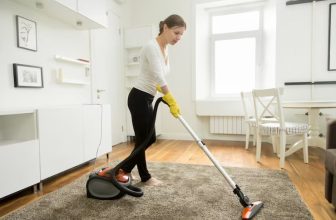


Your commercial carpets deal with heavy foot traffic every day. Employees, customers, vendors, and visitors can bring in dirt, dust, moisture, and debris that gradually become embedded in carpet fibers. Even when you vacuum regularly, routine maintenance may not remove everything that affects the appearance and condition of your flooring.
Knowing when to schedule professional Carpet Cleaning South Bay CA can help you maintain a cleaner, more professional business environment. The right cleaning schedule depends on factors such as foot traffic, carpet type, weather, business activity, and the amount of dirt your facility receives.
Instead of waiting until your carpets look visibly dirty, you can use a proactive cleaning schedule that supports appearance, cleanliness, and carpet longevity.
Why Timing Matters for Commercial Carpet Cleaning
Commercial carpet cleaning works best when it is part of an ongoing maintenance plan. If you wait until stains become obvious or carpets develop a dull appearance, accumulated soil may become more difficult to remove.
When you schedule cleaning at appropriate intervals, you can address dirt before it becomes deeply embedded. Professional cleaning can also complement your daily and weekly maintenance routines.
For businesses in the South Bay, scheduling should reflect the way your facility is actually used. A busy office, dealership, medical building, or professional facility may require a different cleaning frequency than a low-traffic commercial space.
The goal is simple: clean your carpets before accumulated soil begins affecting their appearance and performance.
Schedule Cleaning Before Carpets Look Dirty
One of the most important rules for commercial carpet maintenance is not to wait for visible dirt.
Carpet fibers can hold substantial amounts of dry soil before the floor looks obviously dirty. By the time dark traffic lanes, flattened fibers, or noticeable stains appear, contaminants may already have accumulated throughout high-use areas.
You can avoid this problem by establishing regular professional cleaning based on your facility’s traffic level.
For example, a business with constant customer traffic may benefit from more frequent professional cleaning than a small office with limited visitors. Monitoring entrances, hallways, reception areas, conference rooms, and other high-traffic zones can help you determine when additional service is necessary.
Consider Your Business’s Foot Traffic
Foot traffic is one of the strongest indicators of how frequently you should schedule commercial carpet cleaning.
If hundreds of people walk across your carpet each week, soil can accumulate much faster than it would in a lightly used office. Entrances and corridors typically receive the greatest amount of traffic and may require special attention.
You should consider professional cleaning more frequently when your facility has:
- Heavy daily employee traffic
- Frequent customer or patient visits
- Multiple entrances
- Busy hallways
- Large waiting areas
- Public-facing reception spaces
- Frequent meetings or events
- Regular deliveries and vendor visits
You can also inspect traffic patterns rather than treating every carpeted area the same way. High-use zones may need additional cleaning while low-traffic areas can remain on a less frequent schedule.
Schedule Cleaning After Periods of Bad Weather
Weather can significantly affect commercial carpet conditions.
Rain can cause moisture and mud to enter your facility through shoes and entrances. During wet conditions, carpets near exterior doors can become soiled much faster. Even when your team uses entrance mats, moisture and debris can still reach carpeted areas.
After a period of heavy rain or unusually wet weather, inspect your entrances and surrounding carpet carefully.
You may notice:
- Mud or soil near doors
- Dark traffic lanes
- Moisture-related marks
- Increased debris
- Staining around entryways
If these conditions occur repeatedly, consider adjusting your cleaning frequency during wetter periods. A proactive approach can help you prevent temporary weather-related messes from becoming long-term carpet problems.
Clean Before Important Business Events
Your carpet can influence how customers, clients, employees, and visitors perceive your facility.
If you have an upcoming business event, customer meeting, inspection, open house, conference, or major presentation, scheduling professional carpet cleaning beforehand can help your facility look well maintained.
Ideally, do not wait until the day before the event. Give the carpet enough time to dry completely and allow your staff to confirm that the facility is ready.
Scheduling several days in advance gives you time to address unexpected stains or heavily soiled areas if necessary.
This is particularly useful for businesses where appearance plays an important role, including dealerships, professional offices, medical facilities, financial offices, and customer-facing commercial buildings.
Schedule Carpet Cleaning When Traffic Is Lower
Timing your cleaning service around your business hours can make the process more convenient.
If possible, schedule professional carpet cleaning during evenings, weekends, holidays, or other periods when fewer employees and customers are present. This can reduce disruption to normal operations.
Before scheduling, consider:
- Your business hours
- Employee schedules
- Customer traffic
- Building access
- Carpet drying requirements
- Security procedures
- Areas that require restricted access
A professional cleaning plan should fit your operation instead of creating unnecessary interruptions.
Pay Attention to High-Traffic Areas
Not every carpeted area in your facility requires the same level of attention.
Reception areas, entrances, hallways, elevators, waiting rooms, and common areas often accumulate more soil than private offices or conference rooms that are used occasionally.
You can create a zone-based maintenance strategy by identifying areas with the highest traffic.
For example, you may schedule more frequent cleaning for:
- Main entrances
- Reception areas
- Hallways
- Waiting rooms
- Customer service areas
- Employee break areas
- Shared conference spaces
Less frequently used areas may require professional service less often.
This approach can help you use your maintenance budget more efficiently while keeping highly visible areas consistently presentable.
Do Not Ignore Carpet Stains
A fresh spill is easier to address than an old, set-in stain.
When spills occur, your employees should follow your facility’s approved spot-cleaning procedures rather than using random household products. Some cleaning chemicals can damage carpet fibers, affect color, or leave behind residues.
You should also avoid aggressively scrubbing stains because excessive friction can spread the affected area or damage fibers.
If a stain persists after appropriate spot treatment, professional cleaning may be the better option. Prompt attention can improve the likelihood of restoring the carpet’s appearance.
Schedule Cleaning Based on Carpet Condition
Your carpet can tell you when it needs professional attention.
Look for changes such as:
- Dull or gray-looking fibers
- Persistent stains
- Dark traffic lanes
- Flattened carpet
- Accumulated debris
- Uneven appearance
- Odors that remain after routine cleaning
- Soil around entrances and hallways
You do not necessarily need to wait until all these signs appear. Regular inspections can help you identify gradual changes before they become major maintenance concerns.
A scheduled professional cleaning program is generally more effective than relying entirely on visual inspection.
How Often Should South Bay Businesses Clean Their Carpets?
There is no single schedule that works for every commercial facility.
A low-traffic office may require professional carpet cleaning periodically, while a heavily used customer-facing facility may need more frequent service.
As a general planning approach, you can evaluate your carpet maintenance needs every few months. Businesses with moderate to heavy traffic may benefit from professional cleaning several times per year, while facilities experiencing unusually high traffic may need service more frequently.
Your schedule should account for:
- Traffic volume: More foot traffic generally means faster soil accumulation.
- Business type: Medical, retail, dealership, and customer-facing environments may require greater attention.
- Carpet condition: Stains, traffic lanes, and dullness can indicate the need for service.
- Seasonal conditions: Rain and moisture can increase soil entering your facility.
- Maintenance practices: Effective vacuuming and matting can extend the time between professional cleanings.
- Facility expectations: Businesses with high presentation standards may need a more frequent schedule.
The best approach is to develop a repeatable plan rather than waiting for problems to become obvious.
Use Daily Maintenance to Support Professional Cleaning
Professional carpet cleaning should work alongside your regular maintenance routine.
Your cleaning team should vacuum high-traffic areas consistently, address spills promptly, maintain entrance mats, and monitor areas that receive frequent use.
Entrance mats are especially important because they can capture a significant amount of dirt and moisture before it reaches your carpet. Keeping those mats clean is just as important as placing them at entrances.
You should also communicate basic spill-response procedures to employees. Quick action can prevent small accidents from becoming difficult stains.
These simple steps help reduce the amount of soil reaching carpet fibers between professional cleaning appointments.
Choose a Commercial Cleaning Partner
When you need professional carpet care, choose a company that understands commercial facilities and the demands of ongoing maintenance.
A commercial cleaning provider can help you determine an appropriate cleaning frequency based on your facility’s traffic, carpet condition, and operational requirements.
Working with Sta-Clean Services, Inc. can also help you coordinate carpet maintenance with other commercial cleaning needs. A consistent approach makes it easier to maintain a professional environment without relying on last-minute cleaning.
If you are unsure how frequently your facility should receive professional carpet care, Contact Us to discuss your commercial cleaning requirements and develop a practical maintenance approach.
Create a Carpet Cleaning Schedule That Fits Your Business
The best time to schedule commercial carpet cleaning is before your carpets reach the point where heavy soil and stains become obvious.
You should consider traffic levels, seasonal weather, upcoming business events, carpet condition, and the daily maintenance performed by your cleaning team. High-traffic areas may need more frequent attention, while lightly used areas can follow a different schedule.
By taking a proactive approach, you can keep your commercial carpets looking cleaner and more professional while supporting the overall appearance of your facility.
For businesses throughout the South Bay, consistent carpet maintenance is not simply about improving appearance. It is part of maintaining a clean, organized, and welcoming commercial environment.
Frequently Asked Questions
1. How often should businesses schedule carpet cleaning in South Bay CA?
Most businesses should schedule professional carpet cleaning several times per year, but the ideal frequency depends on traffic, business type, weather, and carpet condition. High-traffic commercial facilities may require more frequent service.
2. Should you clean commercial carpets before they look dirty?
Yes. Waiting until carpets look visibly dirty can allow soil to become deeply embedded. Regular professional cleaning helps address accumulated dirt before it significantly affects carpet appearance.
3. Does bad weather affect commercial carpet cleaning frequency?
Yes. Rain and wet conditions can increase the amount of moisture, mud, and debris entering your facility. Businesses may need more frequent carpet maintenance during periods of consistently wet weather.
4. Is professional carpet cleaning necessary if you vacuum every day?
Yes. Regular vacuuming removes surface debris but may not remove all embedded soil. Professional carpet cleaning provides deeper maintenance that complements your daily vacuuming routine.
5. Can businesses schedule carpet cleaning around operating hours?
Yes. Commercial carpet cleaning can often be planned around your business schedule. Evening, weekend, or lower-traffic periods may help reduce disruption to employees, customers, and normal operations.