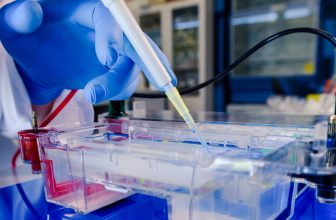


Modern vaccine development depends on precision, speed, and reliability. When you work in biotechnology, pharmaceutical research, or academic science, you need methods that produce highly pure and biologically active proteins for testing and manufacturing. That is where recombinant protein technology becomes essential. It allows you to create targeted antigens, optimize immune responses, and scale vaccine production efficiently.
As vaccine research continues to evolve against infectious diseases, cancer, and emerging viral threats, recombinant proteins remain one of the most dependable tools for safe and effective vaccine design. By understanding how this process supports vaccine innovation, you can improve research quality, reduce development timelines, and create more consistent therapeutic outcomes.
Understanding Recombinant Protein Technology
Recombinant proteins are produced by inserting a specific gene into an expression system such as bacteria, yeast, insect cells, or mammalian cells. These host cells then manufacture the desired protein in controlled conditions. This process gives you the ability to generate proteins with high specificity and reproducibility.
Unlike traditional vaccine methods that often rely on weakened or inactivated pathogens, recombinant protein-based vaccines focus on carefully selected antigens. This targeted strategy improves safety while minimizing unnecessary biological material.
When you use advanced recombinant protein production services for vaccine development, you gain access to scalable manufacturing systems capable of supporting both early-stage research and commercial vaccine production.
Enhancing Vaccine Safety
One of the biggest advantages of recombinant proteins in vaccine design is safety. Traditional vaccine platforms sometimes involve handling live pathogens, which increases manufacturing complexity and biosafety risks. Recombinant protein vaccines eliminate much of that concern because they use only the necessary antigenic components rather than the full infectious organism.
This approach helps you reduce adverse reactions while maintaining strong immune stimulation. For vulnerable populations such as children, elderly individuals, or immunocompromised patients, this safety profile becomes especially important.
Recombinant protein vaccines also minimize contamination risks because the manufacturing process occurs in highly controlled laboratory environments. As a result, you can achieve cleaner formulations with consistent quality standards.
Supporting Rapid Vaccine Development
When emerging diseases appear, speed becomes critical. Recombinant technologies allow you to identify and express target proteins quickly after sequencing a pathogen’s genome. This flexibility significantly shortens vaccine development timelines.
Instead of cultivating large quantities of viruses or bacteria, you can rapidly engineer the specific antigen needed for immune recognition. During global outbreaks, this capability helps researchers respond faster to evolving threats.
By working with experienced providers like Lytic Solutions, LLC, you can streamline protein expression, purification, and analytical testing processes that accelerate vaccine research and preclinical studies.
Improving Antigen Precision
Effective vaccines depend on choosing the right antigen. Recombinant technology gives you precise control over protein structure and expression. You can modify sequences, optimize folding, and enhance protein stability to improve immune recognition.
This precision is especially valuable when designing subunit vaccines, where only a fragment of the pathogen is used to trigger immunity. Since the selected protein is highly specific, you can reduce unwanted immune responses while maximizing efficacy.
Additionally, recombinant proteins allow you to study antigen behavior in detail before clinical application. This insight helps you refine vaccine candidates more efficiently and avoid costly development failures.
Enabling Scalable Manufacturing
Vaccine demand can increase dramatically during public health emergencies. Recombinant systems support scalable manufacturing processes that help you meet global production needs more effectively.
Once an optimized expression system is established, you can expand production without significantly changing the protein’s quality or biological activity. This consistency is critical for regulatory approval and commercial distribution.
Large-scale recombinant manufacturing also improves supply chain reliability. Instead of relying on seasonal pathogen cultivation or animal-derived materials, you can maintain controlled and reproducible production systems throughout the manufacturing cycle.
Supporting Diverse Vaccine Platforms
Recombinant proteins play a role in several vaccine technologies, including:
- Subunit vaccines
- Conjugate vaccines
- Virus-like particle vaccines
- Therapeutic cancer vaccines
- Personalized immunotherapies
This versatility allows you to adapt recombinant systems to many disease targets and therapeutic strategies. Whether you are developing vaccines for infectious diseases or oncology applications, recombinant proteins provide a flexible research foundation.
Researchers can also combine recombinant proteins with modern adjuvants and delivery systems to enhance immune activation. This combination often improves vaccine durability and effectiveness.
Increasing Research Efficiency
You need reproducible research data to move vaccine candidates through development successfully. Recombinant proteins support standardized experiments because they can be manufactured consistently across multiple batches.
This reproducibility improves assay accuracy, immunogenicity testing, and preclinical validation. You can also customize recombinant proteins for specific experimental conditions, which enhances workflow efficiency.
Advanced protein engineering further allows you to optimize expression yields and simplify downstream purification. These improvements save time, reduce laboratory costs, and increase overall productivity.
Addressing Emerging Variants and Mutations
Viruses constantly evolve through mutation. Recombinant systems allow you to redesign vaccine antigens quickly to match new variants. This adaptability is essential for maintaining vaccine effectiveness against rapidly changing pathogens.
By updating protein sequences and expression constructs, researchers can generate modified vaccine candidates without rebuilding entire manufacturing platforms. This flexibility gives you a major advantage during outbreak management and seasonal vaccine updates.
As global health challenges continue to change, recombinant protein technologies remain one of the most adaptable solutions for future vaccine innovation.
Choosing the Right Production Partner
Selecting a trusted protein production partner can significantly influence vaccine development success. You should look for expertise in expression optimization, purification workflows, analytical characterization, and scalable manufacturing support.
Reliable providers help ensure your proteins maintain proper structure, activity, and purity throughout the research process. Strong technical collaboration also reduces delays and supports regulatory compliance.
If you are planning a vaccine research project or need customized protein solutions, Contact us today to discuss your development goals and production requirements.
Conclusion
Recombinant protein technology has transformed vaccine design by improving safety, precision, scalability, and research efficiency. Whether you are developing preventive vaccines, therapeutic immunotherapies, or rapid-response solutions for emerging diseases, recombinant systems provide the flexibility needed for modern biomedical innovation.
By investing in high-quality recombinant protein strategies, you position your research for faster progress and more reliable outcomes. As vaccine science advances, recombinant proteins will continue to play a central role in shaping the future of global healthcare.
Frequently Asked Questions
What is recombinant protein production in vaccine design?
Recombinant protein production involves engineering host cells to produce specific proteins used as vaccine antigens. These proteins help stimulate the immune system without exposing patients to the full pathogen.
Why are recombinant proteins safer than traditional vaccines?
Recombinant protein vaccines use only selected antigenic components rather than live or weakened pathogens. This reduces contamination risks and improves overall vaccine safety.
How does recombinant protein production accelerate vaccine development?
Once a pathogen’s genetic sequence is identified, researchers can rapidly express target proteins in controlled systems, significantly shortening development timelines.
What types of vaccines use recombinant proteins?
Recombinant proteins are commonly used in subunit vaccines, therapeutic cancer vaccines, virus-like particle vaccines, and several modern immunotherapy platforms.
Why is scalable recombinant protein manufacturing important?
Scalable production ensures that vaccine manufacturers can meet high global demand while maintaining consistent protein quality and regulatory compliance.