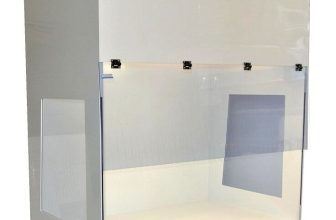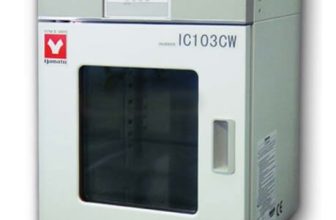


Choosing the right laboratory incubator can directly affect how consistently your samples grow, develop, and remain stable during testing. Instead of focusing only on price or chamber size, you should evaluate performance factors such as temperature control, uniformity, capacity, recovery time, construction, and operating requirements. A careful comparison helps you select equipment that matches your laboratory workflow and application.
Start With Temperature Control and Stability
Temperature accuracy is one of the first factors you should examine when comparing laboratory incubators. Your samples may require a specific temperature range, and even small fluctuations can affect growth conditions and experimental consistency.
Look for an incubator with precise digital temperature controls and clear display settings. You should also check the stated temperature accuracy, stability, and uniformity specifications. If your application requires extended incubation periods, reliable temperature maintenance becomes even more important.
Consider how frequently you open the chamber. Frequent door openings can cause temperature changes, so you should evaluate how quickly the incubator restores the desired conditions after access.
Evaluate Temperature Uniformity
An incubator should provide a consistent environment throughout its chamber rather than maintaining the correct temperature in only one area. Temperature uniformity helps you achieve more repeatable results when multiple samples are placed at different positions.
When reviewing Lab Incubators For Sale, check the manufacturer’s information about temperature distribution and chamber performance. Forced-air circulation may help distribute heat throughout the chamber, while gravity-convection designs can provide gentler airflow for applications where excessive air movement is undesirable.
You should select the circulation method according to your samples. Think about whether your work requires rapid heat distribution, gentle conditions, or a combination of both.
Match Chamber Capacity to Your Workflow
Capacity should support your current workload without creating unnecessary space requirements. A chamber that is too small may limit your sample volume, while an oversized unit can consume valuable laboratory space and energy.
Estimate how many containers, racks, flasks, plates, or other materials you typically incubate at one time. Then consider your expected workload over the coming years.
You should also examine interior dimensions, shelf configuration, shelf capacity, and adjustability. Removable or adjustable shelves can make it easier to organize different sample sizes and maximize usable chamber space.
For laboratories comparing laboratory incubators for consistent sample growth and controlled testing, selecting the right capacity can improve organization while reducing the need for frequent transfers between units.
Check Recovery Time and Door Design
Every time you open an incubator, the chamber environment can change. Recovery time indicates how quickly the equipment returns to the required operating conditions after the door is opened.
If your workflow involves frequent sample access, recovery performance deserves particular attention. Look for designs that minimize heat loss and support efficient temperature restoration.
You should also consider door construction and visibility. A well-designed door can make sample observation easier while helping reduce unnecessary openings. If you need to monitor samples frequently, visibility can improve workflow efficiency.
Consider Construction, Controls, and Maintenance
The construction of an incubator affects its durability, cleaning requirements, and suitability for your laboratory environment. Examine the chamber materials, exterior construction, shelf design, door seals, and overall build quality.
You should also evaluate the control interface. Digital controls should be straightforward to operate and easy to read. Depending on your application, useful features may include programmable settings, alarms, temperature monitoring, and data-recording capabilities.
Maintenance should be simple enough to fit into your routine. Look for accessible components and chamber surfaces that are easy to clean. Regular cleaning and inspection can help maintain consistent operating conditions and extend equipment service life.
Compare Safety and Application Requirements
Your application should guide the final selection. Biological culture, microbiological testing, research, educational laboratories, and general sample incubation may have different environmental requirements.
Consider whether you need features such as over-temperature protection, audible or visual alarms, independent safety controls, or other monitoring functions. These features can provide an additional layer of protection when temperature-sensitive materials are being handled.
You should also review electrical requirements, installation space, ambient operating conditions, ventilation needs, and manufacturer recommendations before purchasing.
When comparing Lab Incubators For Sale for reliable laboratory sample incubation, avoid choosing equipment based solely on its advertised temperature range. A unit with the right range may still be unsuitable if its capacity, uniformity, controls, or recovery performance does not fit your workflow.
Build a Practical Comparison Before Buying
Create a simple comparison checklist before making your purchase. Record each model’s temperature range, accuracy, uniformity, chamber capacity, circulation method, recovery performance, controls, safety features, dimensions, and maintenance requirements.
Then compare these specifications against your actual laboratory needs. Give greater attention to factors that directly affect your samples and daily workflow rather than paying for features you will rarely use.
At Global Lab Supply, you can review options that fit different laboratory incubation requirements and compare specifications before selecting equipment. If you need help determining which configuration suits your application, you can Contact our laboratory equipment experts for guidance on selecting the right incubator.
A methodical evaluation gives you more than a suitable chamber size. It helps you choose an incubator that can provide the temperature control, consistency, capacity, and operational features your laboratory needs for dependable results.
Frequently Asked Questions
What should you consider when evaluating lab incubators for sale?
You should compare temperature range, accuracy, uniformity, chamber capacity, recovery time, circulation method, controls, safety features, construction, and maintenance requirements. Your application and sample volume should determine which specifications receive the most attention.
Why is temperature uniformity important in a laboratory incubator?
Temperature uniformity helps maintain consistent conditions throughout the chamber. This can support more repeatable sample growth and testing when several samples are positioned in different areas of the incubator.
How do you choose the right incubator capacity?
Estimate your typical sample volume and consider future workload. Choose a chamber that accommodates your containers and allows practical shelf organization without taking up unnecessary laboratory space.
Does door opening affect incubator performance?
Yes. Opening the door can allow conditioned air to escape and temporarily change chamber conditions. If you frequently access samples, consider an incubator with efficient temperature recovery and a well-sealed door.
Where can you find laboratory incubators for different applications?
You can explore Lab Incubators For Sale for controlled sample growth and laboratory testing through Global Lab Supply and compare available specifications with your application requirements.