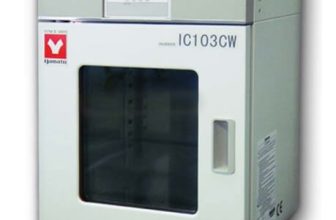


When you work with moisture-sensitive materials, even a small amount of humidity can compromise your results. Many laboratory samples—such as pharmaceuticals, electronic components, powders, catalysts, and chemical reagents—can degrade quickly when exposed to air moisture. To protect these valuable materials, you need an environment that eliminates humidity and prevents contamination.
A vacuum desiccator cabinet provides exactly that environment. By removing air and moisture from a sealed chamber, it creates stable storage conditions that significantly extend sample life and maintain integrity. When you integrate this equipment into your laboratory workflow, you gain better control over environmental variables and protect critical research materials.
Below, you will learn why this equipment plays a crucial role in improving sample preservation and how you can use it effectively.
Maintains Ultra-Low Moisture Conditions
One of the biggest threats to laboratory samples is humidity. Even moderate moisture levels can trigger chemical reactions, hydrolysis, or oxidation.
When you store materials inside a long-term laboratory sample storage Vacuum Desiccator Cabinet, the chamber is evacuated to remove air and water vapor. This process creates a dry environment where moisture-sensitive samples remain stable for extended periods.
Because the cabinet maintains a controlled atmosphere, you reduce the risk of degradation caused by environmental humidity fluctuations.
Protects Samples From Oxidation and Air Exposure
Many laboratory materials react quickly with oxygen. For example, certain chemicals, metals, and electronic components can oxidize when exposed to air.
Using a vacuum environment helps minimize oxygen presence inside the cabinet. This controlled setting slows down oxidation reactions and prevents structural changes in your samples.
When you rely on vacuum-controlled storage, you ensure that delicate materials maintain their original chemical and physical properties throughout the storage period.
Extends Shelf Life of Sensitive Materials
Proper preservation directly impacts how long your materials remain usable. Without protective storage, moisture and air exposure can shorten sample life significantly.
A vacuum desiccator cabinet helps you extend the shelf life of sensitive materials by stabilizing environmental conditions. Powders remain dry, hygroscopic substances stay protected, and electronic components avoid corrosion or moisture damage.
For laboratories handling valuable or limited samples, this extended usability reduces waste and supports more reliable experimental outcomes.
Improves Research Accuracy and Reproducibility
Reliable research depends on consistent sample conditions. If a material absorbs moisture or reacts with oxygen before testing, your experimental data may become inaccurate.
By storing materials in a vacuum desiccator cabinet, you maintain consistent sample quality between experiments. This consistency improves reproducibility and strengthens the reliability of your results.
In research environments where precision matters—such as pharmaceutical development or materials science—controlled storage conditions are essential.
Prevents Contamination From External Particles
Laboratory environments often contain airborne particles, dust, or chemical vapors that can contaminate sensitive materials.
A sealed vacuum cabinet acts as a protective barrier between your samples and the surrounding environment. Once sealed, the chamber prevents external contaminants from entering.
This protection is particularly useful for laboratories handling sterile materials, precision electronics, or sensitive analytical samples.
Supports Safe and Organized Laboratory Storage
Beyond preservation, vacuum desiccator cabinets also improve laboratory organization. You can store multiple samples in a single controlled environment without exposing them to open air.
Many cabinets include adjustable shelving and durable construction designed for laboratory use. This allows you to separate different materials while maintaining consistent environmental protection.
Working with a trusted manufacturer like CleaTech LLC ensures that your storage equipment meets high laboratory standards for durability, safety, and performance.
Ideal for Multiple Scientific Applications
Vacuum desiccator cabinets are widely used across research and industrial laboratories. You may rely on them for:
- Pharmaceutical sample storage
- Electronic component preservation
- Catalyst and reagent protection
- Hygroscopic powder storage
- Materials science experiments
- Semiconductor and microelectronics handling
Because they support a wide range of sensitive materials, these cabinets have become an essential tool in modern laboratories.
Enhances Laboratory Efficiency
When samples degrade or become contaminated, researchers must repeat experiments or replace materials. This wastes both time and resources.
By preserving samples properly from the start, you prevent unnecessary delays and maintain workflow efficiency. Your team spends less time dealing with compromised materials and more time focusing on productive research.
Reliable sample storage ultimately supports faster progress and better laboratory productivity.
Choosing the Right Vacuum Desiccator Cabinet
If you plan to add one to your lab, consider several important features:
- Durable construction materials
- Reliable vacuum sealing system
- Chemical-resistant interior surfaces
- Adjustable shelving for sample organization
- Transparent doors for easy monitoring
Selecting high-quality equipment ensures that your storage environment remains stable and dependable.
If you want expert guidance on selecting the right solution for your laboratory, contact us today to explore professional vacuum desiccator cabinet options designed for demanding research environments.
FAQ: Vacuum Desiccator Cabinet
What is a vacuum desiccator cabinet used for?
A vacuum desiccator cabinet is used to store moisture-sensitive materials in a low-humidity and low-oxygen environment. It removes air and moisture from the chamber to protect laboratory samples from degradation.
Why is vacuum storage better for sample preservation?
Vacuum storage reduces humidity and oxygen exposure, which prevents oxidation, hydrolysis, and contamination. This controlled environment significantly improves the longevity and stability of sensitive samples.
What types of materials require a vacuum desiccator cabinet?
Common materials include hygroscopic chemicals, pharmaceutical samples, electronic components, catalysts, powders, and sensitive laboratory reagents.
How does a vacuum desiccator cabinet remove moisture?
The cabinet uses a vacuum pump to evacuate air from the chamber. Removing air also removes water vapor, creating a dry environment suitable for preserving sensitive materials.
Can vacuum desiccator cabinets improve research accuracy?
Yes. By maintaining consistent environmental conditions, these cabinets ensure that samples remain stable, which improves experimental accuracy and reproducibility.